Figuring out what an example of syndicate business corporation means can seem a bit tricky at first. Many people wonder how these groups work and what makes them different. Don’t worry if it feels confusing; it’s common for beginners to find this topic a little challenging.
We’ll walk through it step by step to make it super clear for you. Get ready to learn about how these businesses operate in a simple way.
Key Takeaways
- A syndicate business corporation involves a group of individuals or companies working together for a common goal.
- These entities pool resources and share risks, often for large-scale projects or investments.
- Understanding the structure and purpose helps clarify their role in business.
- Various types of syndicates exist, each suited to different industries and objectives.
- Examples illustrate how syndicates function in real-world scenarios.
What Is A Syndicate Business Corporation
A syndicate business corporation is essentially a team-up. It’s when two or more separate businesses or people decide to join forces for a specific venture. They don’t merge into one big company permanently.
Instead, they collaborate for a limited time or a particular project. Think of it like a temporary alliance. This allows them to take on bigger jobs or share in potential profits and losses.
It’s a way to increase their power and resources without completely changing their original identities.
The main idea behind a syndicate is to pool resources. This could mean sharing money, expertise, equipment, or even customer bases. By combining these elements, the syndicate can achieve things that might be too difficult or too expensive for any single member to do alone.
This is especially common in industries like real estate, finance, and construction where projects can be massive.
Core Purpose Of A Syndicate
The primary goal of a syndicate business corporation is to achieve a shared objective. This objective is usually something that requires a significant amount of capital or a diverse set of skills. For example, a group of banks might form a syndicate to lend a large sum of money to a big corporation.
No single bank might be able to provide the entire loan, but together they can. They agree on terms and share the risk of lending. If the borrower defaults, the loss is spread among all the syndicate members.
Another common purpose is to undertake large-scale development projects. Imagine a syndicate formed by several real estate developers to build a new shopping mall. Each developer might bring their knowledge of a specific area, their construction teams, and their financial backing.
This allows the project to move forward much faster and with more confidence than if one developer tried to do it all.
Benefits Of Syndicate Formation
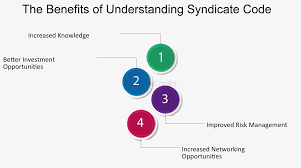
Forming a syndicate offers several advantages. One major benefit is shared risk. When undertaking a risky venture, spreading the potential loss among multiple parties makes it much more manageable.
If things go wrong, no single member suffers a devastating blow. This encourages participation in ventures that might otherwise be too risky to consider.
Syndicates also provide access to greater capital. By pooling funds from multiple sources, a syndicate can finance projects that require substantial investment. This is often crucial for industries that need large amounts of money to operate, like oil exploration or major infrastructure development.
It opens doors to opportunities that would be out of reach for individual companies.
Finally, syndicates allow for the sharing of expertise and resources. Different members can bring unique skills and knowledge to the table. This collaborative environment can lead to more innovative solutions and more efficient project execution.
For instance, a syndicate might include a tech company, a marketing firm, and a manufacturing company to launch a new product. Each contributes its specialty, increasing the chances of success.
How Syndicate Business Corporations Operate
A syndicate business corporation operates based on a formal agreement. This agreement outlines the purpose of the syndicate, the responsibilities of each member, how profits and losses will be shared, and the duration of the syndicate. It’s like a rulebook for their temporary partnership.
This ensures everyone is on the same page and knows what to expect.
The syndicate usually has a designated leader or a management committee. This group is responsible for overseeing the project or venture, making key decisions, and ensuring that the syndicate’s goals are met. They act as the central point of contact and coordination for all members.
This leadership is vital for keeping the operation running smoothly.
Management And Decision Making
Decision-making within a syndicate can vary. In some cases, major decisions might require unanimous agreement from all members. In others, a majority vote might be sufficient.
The syndicate agreement will clearly define this process. This prevents disagreements from stalling progress. Clear lines of authority and communication are essential.
The management team often handles the day-to-day operations. They might hire employees, manage contracts, and deal with any operational issues that arise. Their role is to execute the plan agreed upon by the syndicate members.
Effective management is key to a syndicate’s success. It keeps the project on track and within budget.
Profit And Loss Distribution
Sharing profits and losses is a critical aspect of any syndicate. The syndicate agreement specifies the exact percentage or formula for this distribution. Often, it’s based on the amount of capital each member contributed or their agreed-upon share of the venture.
This ensures fairness and transparency among all parties involved. It’s a key incentive for members to participate.
For example, if a syndicate invests $1 million and one member contributes $500,000 while another contributes $250,000, their profit and loss shares would likely reflect this. The first member might get 50% of the profits and bear 50% of the losses, while the second gets 25%. This proportional sharing is a cornerstone of syndicate operations.
Legal Structure And Agreements
A syndicate business corporation is typically formed through a legal contract. This contract, often called a syndicate agreement, is crucial. It legally binds the members and lays out all the terms and conditions of their collaboration.
This document is drafted by legal professionals to ensure it is clear and enforceable. It protects the interests of all parties.
The legal structure can also differ. Sometimes, a syndicate might operate as a general partnership for the specific venture. Other times, it might be structured as a limited liability company (LLC) or a separate corporate entity created solely for that purpose.
The chosen structure affects liability and taxation. Consulting with legal and financial advisors is standard practice when setting up a syndicate.
Example Of Syndicate Business Corporation Scenarios
Let’s look at some real-world scenarios to make the concept of an example of syndicate business corporation clearer. These examples show how different industries use syndicates to achieve their goals. Seeing them in action helps solidify the understanding of their purpose and function.
Real Estate Development Syndicate
One very common example is a real estate development syndicate. Imagine a large plot of land is available for development, but it requires a massive investment to build apartments, a shopping center, or an office complex. No single developer has enough capital or perhaps the specific expertise to manage such a huge project alone.
So, they form a syndicate.
A syndicate might include:
- A large property developer with construction experience.
- A financial institution willing to provide significant funding.
- An investment firm looking for real estate returns.
- A local company with deep knowledge of the area and zoning laws.
This group comes together, pools their resources, and manages the project from planning and acquisition to construction and sales. The profits from selling the developed properties are then distributed among the syndicate members according to their agreed-upon shares. This allows for the creation of large-scale projects that benefit the community and generate substantial returns for the investors.
Insurance Underwriting Syndicate
The insurance industry also frequently uses syndicates, especially for high-risk insurance policies. Think about insuring a massive oil tanker, a space launch, or a large commercial aircraft. These are incredibly expensive to insure, and the potential payout if something goes wrong is enormous.
No single insurance company might be willing to take on all that risk.
In this case, an underwriting syndicate is formed. Several insurance companies agree to underwrite a portion of the policy. Each member of the syndicate accepts a percentage of the risk and, consequently, a percentage of the premium collected.
If a claim arises, the payout is shared among the syndicate members. This spreads the financial burden and makes it possible to insure even the most high-value and high-risk assets. Lloyd’s of London is a famous example where syndicates play a major role in underwriting diverse risks.
Film Production Syndicate
Making a major Hollywood movie is a costly endeavor. The budget can run into hundreds of millions of dollars. To finance such a project, film studios often form a syndicate.
This syndicate can include the main studio, other production companies, private investors, and even international co-producers.
Each member of the film syndicate contributes a portion of the total budget. They may also contribute specific services, like providing studio space, special effects teams, or distribution networks. The syndicate agreement details how the film’s profits (from box office, streaming rights, merchandise, etc.) will be split.
This allows for the creation of large, ambitious films that might otherwise be impossible to fund. It also allows investors to participate in the potential upside of a successful movie.
Oil Exploration Syndicate
Exploring for oil and gas is another capital-intensive and risky business. Drilling wells, especially offshore, requires vast sums of money and specialized technology. A single company might find the cost and risk prohibitive.
Therefore, oil and gas companies often form exploration syndicates. These syndicates pool the financial resources and technical expertise needed for exploration and production. If oil is discovered, the syndicate members share in the costs of development and the profits from the sale of the oil or gas.
If the exploration is unsuccessful, the financial losses are also shared, reducing the impact on any single company. This strategy is vital for the industry’s ability to discover new energy sources.
Key Considerations When Forming A Syndicate
Before diving into forming or joining an example of syndicate business corporation, there are several important factors to consider. These ensure the syndicate is set up for success and that all members are protected. Thinking through these points upfront can prevent future problems.
Due Diligence On Potential Partners
It is absolutely vital to perform thorough due diligence on any potential syndicate partners. You need to know who you are getting into business with. This includes evaluating their financial stability, their reputation in the industry, their track record with past projects, and their overall business ethics.
Are they reliable? Do they have a history of fulfilling their commitments?
Understanding your partners’ strengths and weaknesses can also help define roles within the syndicate. If one partner has exceptional marketing skills, they might lead that aspect of the project. Conversely, if a partner has a history of financial instability, it might be wise to have stricter financial oversight for their contributions.
This careful vetting process minimizes risks and builds a foundation of trust.
Clear And Comprehensive Syndicate Agreement
As mentioned before, the syndicate agreement is the backbone of the operation. It must be extremely clear and cover every possible scenario. This includes defining the scope of the venture, the specific goals, the capital contributions of each member, the profit and loss distribution percentages, voting rights, dispute resolution mechanisms, and exit strategies.
What happens if a member wants to leave? What if a member fails to meet their obligations?
A well-drafted agreement prevents misunderstandings and disputes down the line. It should be reviewed by legal counsel specializing in business law to ensure it is legally sound and protects all parties involved. Ambiguities in the agreement can lead to costly legal battles and can severely damage the syndicate’s ability to function effectively.
Precision in this document is paramount.
Roles, Responsibilities, And Authority
Clearly defining the roles, responsibilities, and authority of each syndicate member is essential for smooth operations. Who is responsible for what? Who has the final say on different types of decisions?
Without clear designations, tasks can be duplicated, or critical responsibilities can be overlooked. This can lead to inefficiencies and project delays.
For instance, in a construction syndicate, one member might be responsible for site management, another for procurement of materials, and a third for financial oversight. The syndicate agreement should outline these roles. It should also specify the level of authority each role holds.
This clarity ensures that everyone knows their job and can perform it without stepping on others’ toes or facing confusion about who is in charge of specific aspects.
Risk Management And Contingency Planning
Every syndicate involves risk, and effective risk management is crucial. This means identifying potential risks early on and developing strategies to mitigate them. Risks can range from market fluctuations and regulatory changes to project delays and unexpected cost overruns.
A syndicate should have a contingency plan in place for various scenarios.
What happens if the project costs double? What if a key supplier goes bankrupt? Having a reserve fund or pre-agreed-upon backup plans can help the syndicate weather unexpected storms.
This proactive approach ensures that the syndicate can adapt to challenges and continue moving towards its goals, rather than being derailed by unforeseen events. It’s about being prepared for the unexpected.
Common Myths Debunked
Myth 1: Syndicates Are Always Permanent Partnerships
This is not true. While some syndicates can last for many years, they are often formed for a specific, limited-time project or venture. Once the goal is achieved or the project is completed, the syndicate is typically dissolved, and the members return to their independent operations.
Their temporary nature is a key characteristic distinguishing them from mergers or long-term partnerships.
Myth 2: Only Large Corporations Can Form Syndicates
While large corporations often utilize syndicates for major projects, smaller businesses and even individuals can participate in or form syndicates. The core concept is pooling resources for a common goal. A syndicate can be formed by a group of small investors to buy a single property, for example.
The size of the members is less important than their willingness and ability to contribute to a shared objective.
Myth 3: Syndicates Are Always About Making Money
While profit is a very common motivation, it’s not the only one. Syndicates can also be formed for other shared objectives, such as collaborative research and development, joint marketing efforts to achieve wider market penetration, or even to tackle social or environmental projects that require collective effort and resources. The defining factor is a common goal that is better achieved together than apart.
Myth 4: All Syndicate Members Have Equal Power
Power and decision-making authority within a syndicate are not necessarily equal. They are determined by the syndicate agreement. Contributions of capital, expertise, or strategic importance can influence voting rights and control.
For instance, a member providing 70% of the funding might have significantly more voting power than a member contributing only 10%. The agreement dictates the distribution of power.
Frequently Asked Questions
Question: What is the main difference between a syndicate and a partnership?
Answer: A syndicate is typically formed for a specific, often temporary, purpose or project. A partnership is usually a more ongoing business relationship between parties. Syndicates pool resources for a common goal, while partnerships are broader business ventures.
Question: Can a syndicate business corporation be dissolved?
Answer: Yes, syndicates are usually dissolved once their specific objective is met, their project is completed, or as per the terms outlined in their syndicate agreement. Dissolution is a standard part of their lifecycle.
Question: What happens if a member of a syndicate goes bankrupt?
Answer: The syndicate agreement will outline what happens in such a situation. Typically, other members may have the option to buy out the bankrupt member’s share, or their share of profits and losses will be handled according to predetermined clauses, possibly involving an administrator.
Question: Who typically leads a syndicate?
Answer: The leadership structure is defined in the syndicate agreement. It could be a designated managing partner, a committee formed by the members, or one of the major contributing entities. Leadership is responsible for overseeing the syndicate’s operations.
Question: Are syndicate members liable for each other’s debts?
Answer: This depends on the legal structure of the syndicate. In a general partnership syndicate, members might have unlimited liability. However, if the syndicate is structured as an LLC or a corporation, member liability is usually limited to their investment.
Conclusion
An example of syndicate business corporation is all about smart collaboration. It’s a way for different entities to team up for a specific goal, pooling their strengths. This approach helps achieve big projects and share risks.
Understanding how they work helps you see their value in many industries.