The syndicate business model can seem a bit tricky at first, especially if you are new to business ideas. It involves groups working together, which sounds good, but figuring out the best way to set it up can be a puzzle. Don’t worry, though! We will break it down simply. This post will show you exactly how it works with easy steps. Get ready to learn how to make a syndicate business model work for you.
Key Takeaways
- A syndicate business model combines resources from multiple parties.
- It lowers risk for each individual participant.
- Syndicates are often used for large projects like real estate or investments.
- Clear agreements and defined roles are essential for success.
- Benefits include shared expertise and increased purchasing power.
- Challenges can arise from managing diverse interests and communication.
What is a Syndicate Business Model
A syndicate business model is a way for several people or companies to team up and pool their money and efforts to achieve a goal that might be too big or too risky for any one of them to do alone. Think of it like a group of friends pooling money to buy a shared vacation house. Each friend owns a part of the house, and they all share the costs and the fun. In business, this means people come together to invest in something significant, like buying a large apartment building or funding a startup company.
This approach spreads out the financial risk. If the investment doesn’t go as planned, no single person or company loses everything. It also allows for larger deals to happen because the combined resources are much greater than what one entity could provide. This is why the syndicate business model is popular for big ventures where high capital is required. It’s a powerful way to make bigger things happen.
Core Components of a Syndicate
For a syndicate to work well, a few key parts need to be in place. First, you need a clear leader or organizer. This person, often called the sponsor or general partner, is the one who finds the deal, does the research, and brings the other investors together. They manage the day-to-day operations.
Second, you need the investors, who are also called limited partners. These are the people or groups who provide the money. They usually don’t get involved in running the deal but get a share of the profits. Their main role is to contribute capital and trust the sponsor to manage it wisely.
Third, a strong agreement is crucial. This contract, often called a partnership agreement or operating agreement, lays out all the rules. It explains how profits and losses will be shared, what happens if someone wants to leave, how decisions will be made, and the fees the sponsor will receive. Without this clear document, misunderstandings can easily cause problems.
Why Syndicates Are Formed
Syndicates are typically formed when an opportunity arises that requires significant capital and expertise. For instance, a real estate developer might want to buy a large office building. The price of such a building could be millions of dollars, which is more than the developer can afford on their own. So, they create a syndicate.
They reach out to other investors, perhaps other real estate professionals, wealthy individuals, or investment funds. These investors agree to contribute money in exchange for a share of the ownership and future profits from the building. The developer acts as the sponsor, managing the acquisition, renovation, and eventual sale of the property. This allows them to undertake a much larger project than they could otherwise.
The benefit for the investors is that they can participate in a large, potentially profitable deal without having to find it or manage it themselves. They leverage the expertise of the sponsor. For the sponsor, it allows them to complete deals that would otherwise be out of reach financially.
Benefits of the Syndicate Business Model
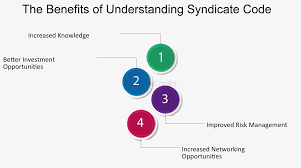
Using a syndicate business model offers many advantages, especially when dealing with substantial ventures. One of the biggest pluses is the ability to take on larger, more profitable deals. No single investor has to carry the entire burden, making high-value projects accessible to a wider range of participants.
Another significant advantage is the sharing of risk. When multiple parties contribute capital, the financial impact of a deal not performing as expected is spread thinly. This protection is invaluable, particularly in volatile markets.
Syndicates also pool diverse expertise. Each member might bring different skills, knowledge, or connections to the table. This collective intelligence can lead to better decision-making and more successful outcomes. It’s like having a team of specialists working on one goal.
Access to Larger Deals
One of the primary drivers for adopting a syndicate business model is gaining access to investment opportunities that would be impossible for an individual to pursue. Consider the acquisition of a large apartment complex or a commercial shopping center. These assets often cost millions, far beyond the capacity of a single investor.
By forming a syndicate, a sponsor can gather funds from numerous individuals or entities. This collective capital allows them to meet the high purchase price. The sponsor, often a professional with experience in real estate or a specific industry, identifies the opportunity and structures the deal. Investors then contribute the necessary funds.
This model democratizes access to significant wealth-building opportunities. Investors who might not have enough capital to buy such an asset individually can still participate and benefit from its potential appreciation and income. The syndicate structure makes these large-scale ventures attainable.
Risk Diversification and Mitigation
Risk is a natural part of any investment. A syndicate business model is particularly good at managing and reducing this risk for everyone involved. Instead of one person or company putting all their money into a single project, that money is combined with funds from many others.
If the project hits a snag, like a construction delay or a dip in market demand, the financial loss is shared. This means each investor’s personal exposure is much smaller. It’s like many people holding small pieces of a large pie, rather than one person holding the whole thing. If a piece gets damaged, it doesn’t ruin the entire pie for everyone.
This shared risk is a huge draw for investors who are cautious or have a lower risk tolerance. It allows them to participate in potentially high-reward ventures without the extreme personal financial danger. It makes investing in big projects feel much safer.
Leveraging Collective Expertise and Resources
A syndicate isn’t just about pooling money; it’s also about gathering smart people. When you form a syndicate, you bring together individuals or companies with different backgrounds and skill sets. One person might be great at finding deals, another at managing properties, and someone else might have strong legal knowledge.
This mix of talents means the syndicate can tackle complex challenges more effectively. Decisions are often made by a group with varied perspectives, leading to more well-rounded choices. The sponsor benefits from advice and insights from their investors.
Furthermore, the syndicate can leverage collective resources beyond just money. This could include industry connections, negotiation power, or even operational efficiencies. For example, a group of restaurants forming a syndicate might get better prices on supplies because they are buying in bulk together. This shared strength makes the entire group more powerful.
Setting Up Your Syndicate
Starting a syndicate requires careful planning and organization. It’s not just about gathering people and money; it’s about building a solid structure that ensures smooth operations and clear expectations for everyone involved. A well-defined plan is the foundation for success.
The first step is always to identify a suitable investment or project. This requires thorough market research and due diligence to ensure the opportunity is sound and has good potential for returns. Once an opportunity is identified, the next crucial step is to find investors.
Building trust is key here. Investors need to feel confident in the sponsor’s ability to manage the deal and protect their capital. Transparency and clear communication from the very beginning are essential.
Defining Roles and Responsibilities
When setting up a syndicate, it’s vital to clearly define who does what. This prevents confusion and ensures all necessary tasks are covered. Typically, there is a sponsor or general partner. This individual or company is responsible for finding the deal, performing due diligence, structuring the acquisition, and managing the asset or project throughout its life.
The sponsor is the active manager. They are on the ground, making day-to-day decisions and working to achieve the project’s goals. They also handle all the administrative work, like accounting, reporting to investors, and managing any service providers.
The other members of the syndicate are usually limited partners. Their role is primarily to provide capital. They are passive investors. They trust the sponsor to manage the investment and typically do not get involved in the operational decisions. Their return comes from the profits generated by the venture. This clear division of labor is fundamental to the syndicate business model.
Crafting the Syndicate Agreement
The syndicate agreement is the legal backbone of your operation. It is a critical document that outlines the terms under which the syndicate will operate. Think of it as the rulebook that everyone agrees to follow. This agreement needs to be comprehensive and cover all potential scenarios.
It will detail how the initial capital is contributed, how profits and losses will be distributed, and what fees the sponsor will receive. For example, a sponsor might get an acquisition fee for finding the deal, a management fee for overseeing it, and a share of the profits once investors have received their initial investment back and a preferred return.
The agreement also needs to cover exit strategies, such as how an asset will be sold, and what happens if an investor wishes to withdraw or if the sponsor needs to be replaced. Legal counsel experienced in syndicate formations should always be involved in drafting this document to ensure it is legally sound and protects all parties.
Finding and Vetting Investors
Finding the right investors is as important as finding the right deal. The sponsor needs to look for individuals or entities that not only have the financial capacity to invest but also align with the syndicate’s goals and risk tolerance. This might involve reaching out to personal networks, industry contacts, or using professional platforms that connect sponsors with accredited investors.
Vetting potential investors is also crucial. This means ensuring they are financially qualified to invest and understand the risks involved. The sponsor should provide potential investors with detailed information about the deal, including financial projections, market analysis, and the proposed structure of the syndicate.
Open and honest communication is key during this phase. Sponsors should be prepared to answer all questions thoroughly. Building trust from the outset sets a positive tone for the entire relationship and helps ensure a smooth working relationship throughout the life of the syndicate.
Examples of Syndicate Business Models in Action
Syndicates are not just theoretical concepts; they are actively used in various industries to achieve impressive results. Their flexibility allows them to adapt to different types of ventures, from real estate to technology investments. Seeing real-world applications helps clarify how this model functions and its potential impact.
One of the most common areas is real estate. Syndicates are frequently formed to purchase large apartment buildings, commercial properties, or even portfolios of properties. This allows investors to participate in the real estate market with much less capital than it would take to buy a property outright.
Another area is private equity and venture capital. Here, syndicates of investors pool money to fund startups or established companies that need capital for expansion. This model enables companies to access significant funding and allows investors to diversify their portfolio by investing in multiple young companies.
Real Estate Syndication Case Study
Consider a scenario where a group of investors wanted to buy a luxury apartment building in a prime city location. The asking price was $20 million. Individually, no one investor could comfortably afford to buy it, and the risk would be too high.
A sponsor, who was an experienced real estate investor, identified this opportunity. They then formed a syndicate by reaching out to their network of high-net-worth individuals and smaller investment funds. They proposed that the syndicate would raise $15 million in equity, with the remaining $5 million covered by a commercial loan.
The sponsor would manage the acquisition, property management, and eventual sale. Investors contributed amounts ranging from $250,000 to $1 million, each receiving a proportional share of ownership. The agreement outlined a preferred return of 8% for investors before the sponsor received any profit share. After five years, the building was sold for $28 million. Investors received their initial capital back, their preferred return, and a significant portion of the remaining profit, making it a successful venture for all involved.
Technology Startup Funding
Technology startups often rely on the syndicate business model for funding. A startup might need millions of dollars to develop its product, scale its operations, and market its services. For an early-stage company, securing such large sums from a single investor can be difficult.
Angel investors and venture capital firms often form syndicates to invest in promising tech startups. A lead investor might conduct extensive due diligence on the startup and negotiate the terms of the investment. They then invite other investors to join the round, sharing the risk and capital required.
For example, a tech company developing a new AI platform might need $5 million in Series A funding. A venture capital firm could lead the round by investing $2 million. They then syndicate the remaining $3 million by bringing in other venture capital firms, angel investor groups, or even corporate venture arms. This allows the startup to get the funding it needs while spreading the investment across multiple parties.
Private Equity Deal Syndication
Private equity firms frequently use syndicates to finance large acquisitions of established companies. When a firm identifies a target company for acquisition, the total deal value can be hundreds of millions or even billions of dollars. This is often beyond the capacity of a single private equity fund.
In such cases, the lead private equity firm will syndicate the deal. They will invite other private equity firms, institutional investors like pension funds or insurance companies, and sovereign wealth funds to co-invest. Each co-investor contributes a portion of the equity required for the acquisition.
The lead firm typically manages the entire process, from due diligence and negotiation to overseeing the target company after the acquisition and ultimately exiting the investment. The syndicate structure allows for larger, more impactful deals to be executed, providing capital for companies to grow or be restructured.
Challenges in Syndicate Formations
While the syndicate business model offers many advantages, it’s not without its hurdles. Setting up and managing a syndicate can be complex, and several common challenges can arise. Recognizing these potential issues early on is key to preventing them.
One of the biggest challenges is managing different expectations among investors. Each person or group might have their own ideas about how the investment should be handled or what constitutes success. Disagreements can emerge, especially if the project faces difficulties or if market conditions change.
Another common issue is ensuring clear and consistent communication. With multiple parties involved, keeping everyone informed and on the same page can be demanding. A lack of transparency can lead to mistrust and dissatisfaction among investors.
Communication Breakdowns
A significant problem in many syndicates is poor communication. When you have several investors and a sponsor, making sure everyone has the latest information can be tough. If the sponsor doesn’t communicate regularly or clearly, investors might start to worry.
For instance, imagine a real estate syndicate where unexpected construction delays occur. If the sponsor doesn’t proactively inform the investors about the delay, why it’s happening, and what the plan is to fix it, investors might assume the worst. This can lead to a lot of anxiety and unnecessary questions.
Good communication means providing regular updates, even when there’s no major news. This includes financial reports, progress updates on the project, and any challenges encountered. Having a clear communication plan, like monthly email updates or quarterly calls, can prevent misunderstandings and build confidence within the syndicate.
Conflicting Investor Interests
It’s common for investors in a syndicate to have different goals or perspectives. Some might be very risk-averse and prioritize capital preservation, while others might be comfortable with higher risk for potentially higher returns. This can lead to conflicts.
For example, if a property is performing well but not exceptionally, some investors might want to hold onto it for steady rental income, while others might push for a quick sale to realize profits. The sponsor has to navigate these differing desires.
The syndicate agreement plays a crucial role here by setting out the overarching strategy and decision-making processes. However, even with a strong agreement, disagreements can arise. Effective leadership from the sponsor is essential to mediate these conflicts and keep the syndicate focused on the agreed-upon objectives.
Sponsor Performance and Trust
The success of a syndicate largely depends on the performance and trustworthiness of the sponsor. The sponsor is the manager, and investors are entrusting them with their capital. If the sponsor makes poor decisions, mismanages the asset, or acts unethically, it can have severe consequences for the entire syndicate.
For instance, if a sponsor over-promises returns or fails to disclose important risks, investors can lose money and trust. This can lead to legal disputes and financial losses for everyone. Investors need to thoroughly vet potential sponsors, checking their track record, experience, and reputation before committing any capital.
Building and maintaining trust is an ongoing process. Sponsors must be transparent, honest, and diligent in their management of the syndicate’s assets. Regular, detailed reporting and open communication are vital to keeping investors confident and engaged.
Common Myths Debunked
There are many ideas about how syndicates work that aren’t quite right. Let’s clear up some of these common misunderstandings. Knowing the real facts helps you make better decisions.
Myth 1: A Syndicate is Just a Group of Friends Investing
While friends can form a syndicate, a true syndicate business model involves a more formal structure and agreement. It’s about pooling resources for a specific, often large, business or investment goal, with clearly defined roles, responsibilities, and legal contracts. It’s not just casual lending or borrowing among pals.
Myth 2: All Investors in a Syndicate Get the Same Returns
Returns in a syndicate are usually based on the agreed-upon terms in the syndicate agreement. This often includes a preferred return for investors before the sponsor takes their profit share, and then a split of any remaining profits. So, while everyone shares in success, the exact amounts can differ based on the structure.
Myth 3: Sponsors Have All the Control and Investors Have None
While sponsors manage the daily operations, sophisticated syndicate agreements often include provisions for investor input or approval on major decisions, like selling a key asset. Investors typically have rights outlined in the agreement that protect their interests, even if they are not involved in day-to-day management.
Myth 4: Syndicates Are Only for Real Estate
Syndicates are highly versatile. They are used in real estate, but also in technology startups, private equity buyouts, oil and gas exploration, and even funding movie productions. Any venture requiring significant capital and shared risk can utilize a syndicate structure.
Frequently Asked Questions
Question: What is the main goal of a syndicate business model?
Answer: The main goal is to pool resources from multiple parties to undertake a large investment or project that would be too difficult or risky for one entity to handle alone, aiming for shared profits and reduced individual risk.
Question: Who is typically the leader in a syndicate?
Answer: The leader is usually a sponsor or general partner, who finds the deal, manages the project, and is responsible for day-to-day operations.
Question: What is the role of a limited partner in a syndicate?
Answer: Limited partners are investors who contribute capital but do not typically participate in the active management of the venture. They share in the profits and losses according to the agreement.
Question: How are profits divided in a syndicate?
Answer: Profits are divided according to the terms of the syndicate agreement, which often includes a preferred return for investors before the sponsor takes their share of the profits.
Question: Can I start a syndicate with a small amount of money?
Answer: While some syndicates allow for smaller investments, many large deals require significant capital. However, the minimum investment amount varies greatly depending on the specific syndicate and sponsor.
Final Thoughts
Understanding the syndicate business model means seeing how groups combine strengths. It’s a smart way to handle big deals by sharing risks and rewards. Clear roles and a solid agreement are key for everyone involved. This model makes large investments achievable for many. Explore how a syndicate can work for your next venture.